Warehouse software
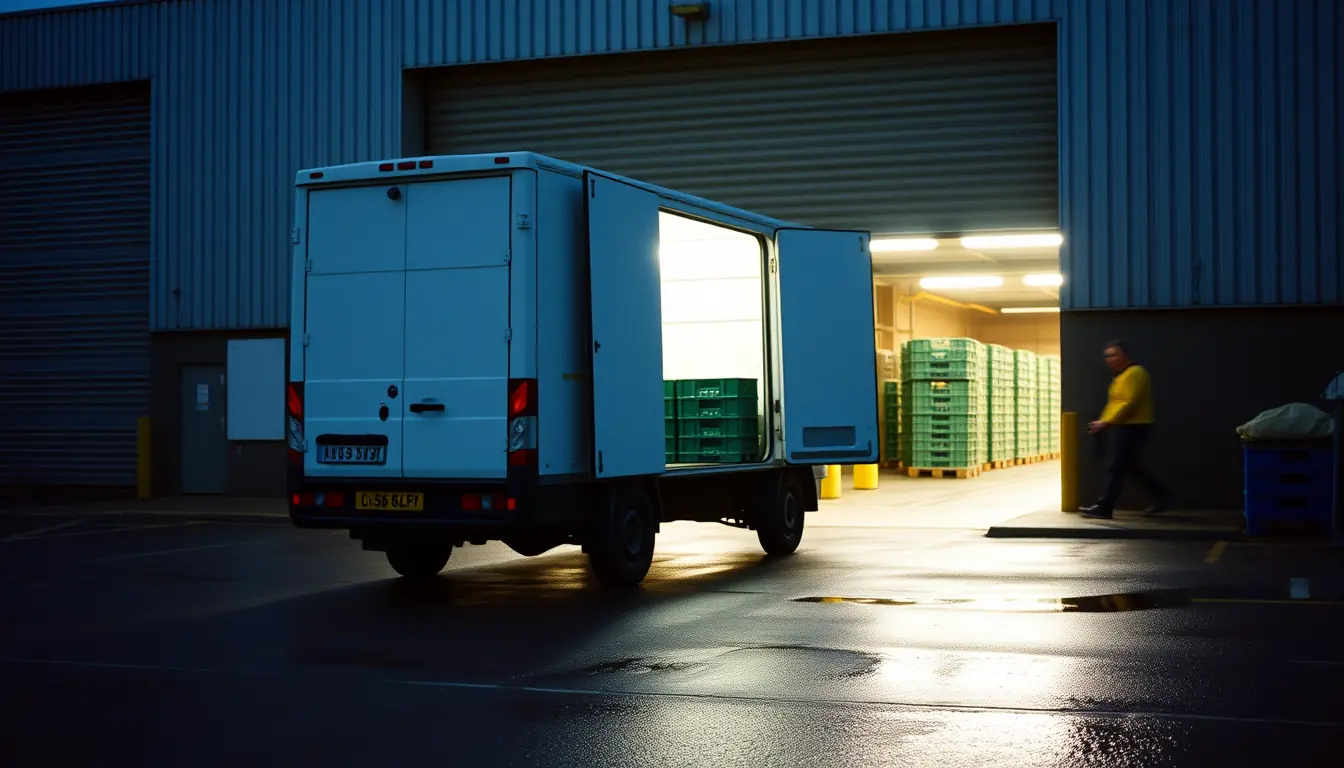
One unit. Six vans. Not a distribution centre.
Small warehouse software has to fit a business that fits in one unit - not shrink down a system built for a site twenty times the size.
Small warehouse management software is built for a wholesaler running one site and a handful of vans, not a distribution network. It needs live stock, a picking sheet, a buy list, routing for your own vans, and proof of delivery. It does not need bin-location tracking, multi-site transfers, or a licence built for a warehouse many times the size.
Most warehouse software on the market is built for a business that can afford a rollout project and a dedicated administrator: several buildings, thousands of bin locations, and a team whose whole job is the warehouse system itself. A wholesaler with one cold store and six vans is not a smaller version of that business. It is a different shape of business, and the software it needs looks different too.
What a small operation actually needs
- 01A live stock count for the products you actually stock, not a system built to track ten thousand lines across ten sites.
- 02A buy list that rolls every order into one list, split across the suppliers who actually carry each line.
- 03A picking sheet built from what is in stock. A short is flagged the moment it happens.
- 04A round planned across the vans on your yard - six, or however many you have - not a fleet module priced for fifty.
- 05Proof of every drop, and an invoice raised from what was actually delivered.
What enterprise pricing gets wrong here
Enterprise warehouse systems price and build for scale: a licence built around a large number of users and sites, and an onboarding project that takes months of setup before a single order moves through it. Neither of those fits one unit and six vans. You end up paying for both anyway if you buy the wrong system.
A build sized to your actual operation costs what your operation actually is. It goes live against your own catalogue and rules, not a configuration exercise.
Plainly
What it will not do on its own
- No bin-location tracking or barcode-scanned putaway. The full honest line on that is on the warehouse software page.
- Not priced or run like an enterprise system. No multi-month rollout, no licence count built for a much bigger site.
- Runs one warehouse today. It is built for a single unit.
- Does not replace the accounts package you already use. It sits beside it.
Read next
Questions people ask
- What is small warehouse management software?
- It is software built for a business running one site and a handful of vans, not a distribution network. Live stock, a picking sheet, a buy list, routing for your own vans, and proof of delivery - without the storage-location layer or the fleet scale a much bigger operation needs.
- Why doesn't enterprise warehouse software fit a business this size?
- Enterprise warehouse systems are built and priced for multi-site operations with thousands of stock lines, and the rollout usually takes months before anything goes live. A wholesaler with one unit and a handful of vans ends up paying for scale it will never use, and waiting for a rollout it does not need.
- Does it still need someone to count the stock?
- Yes. It holds the count once it is taken, then keeps it live from there. It does not walk the cold store on its own.
- Can it grow if a second site is added later?
- Not today - it is built for a single site. Every build is custom, so adding a second site is a conversation, not a blocked feature. But it does not run more than one site now.
Give us one night.
Send us one evening's orders. We run the night next to you. In the morning you compare the two.